Buccal Mucosa Cancer
Expert surgical treatment for buccal mucosa cancer with functional preservation techniques.
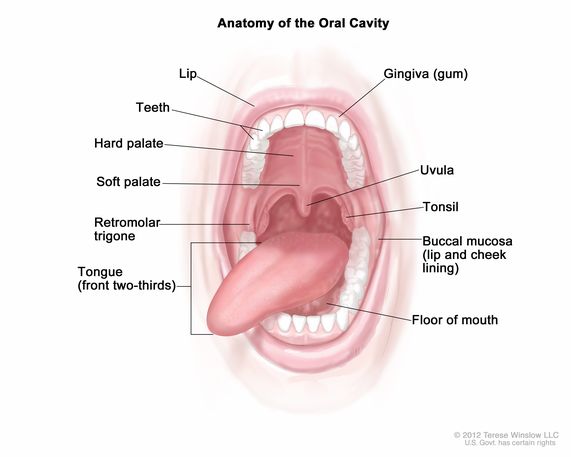
What is Buccal Mucosa Cancer?
Worried about persistent symptoms?
Book a consultation with Dr. Avadhut Dange for expert treatment.
What are the Symptoms of Buccal Mucosa Cancer?
Cancer of the inner cheek lining is very common in regions where tobacco chewing is prevalent.

White or Red Patches
Leukoplakia or erythroplakia on the inner cheek.
Cheek Thickening
A lump or thickening on the inside of the cheek.
Restricted Jaw Movement
Difficulty opening the mouth fully (trismus) as the tumour invades muscle.
Cheek Pain
Pain inside the mouth that worsens when eating acidic or spicy foods.
Bleeding Sores
Ulcers inside the cheek that bleed easily when brushed or touched.
External Swelling
Noticeable swelling on the outside of the cheek or jaw.
What are the Causes and Risk Factors?
Direct contact with carcinogens is the main driver.
Smokeless Tobacco
Chewing tobacco, gutkha, khaini, and betel quid (paan) are the absolute primary causes.
Alcohol Use
Exacerbates the carcinogenic effects of tobacco.
Chronic Trauma
Constant irritation from sharp, broken teeth or ill-fitting dentures.
HPV
Certain viral infections play a minor role.
Betel Nut
Chewing areca nut without tobacco is still highly carcinogenic.
Vitamin Deficiencies
Lack of antioxidants from fruits and vegetables.
How Is Buccal Mucosa Cancer Diagnosed?
Accurate diagnosis involves a series of examinations and tests following globally recognised guidelines.
Clinical Examination
Visual inspection of the buccal mucosa.
Punch/Incisional Biopsy
Taking a tissue sample under local anesthesia.
MRI of Face/Neck
Best imaging modality to see soft tissue invasion into the cheek muscle.
CT Scan
To check for bone invasion (mandible or maxilla).


Buccal Mucosa Cancer Treatments
Personalised treatment based on cancer type, stage, and patient health.

Wide Local Excision
Surgical removal of the lesion with a safe margin of healthy tissue.

Neck Dissection
Removing lymph nodes if the cancer has spread.

Reconstruction
Using skin grafts (like a radial forearm flap) to repair the inner cheek lining and prevent contracture.

Adjuvant Radiation
Post-operative radiation to ensure all cancer cells are destroyed.

Physical Therapy
Jaw exercises to prevent lockjaw (trismus) after surgery and radiation.
Buccal Mucosa Cancer Recovery Timeline
Every patient's journey is unique. Here is a general overview.
Preoperative Preparation
1–2 WeeksBlood tests, imaging, prehabilitation. Diet and recovery preparation advice.
Surgery & Hospital Stay
Day 0–7Surgery with ICU monitoring, pain control, wound management and early movement.
Early Recovery
1–3 WeeksWound healing, exercises, nutrition guidance and home care support.
Rehabilitation
1–2 MonthsOngoing therapy, speech/swallowing therapy, routine follow-ups and lifestyle guidance.
Long-Term Recovery
3–12 MonthsReturn to normal activities with regular oncology checkups and survivorship support.
Why Choose Dr. Avadhut Dange for Buccal Mucosa Cancer Treatment
Board Certified Specialist
Recognised for precision surgical oncology with years of clinical excellence.
Advanced Technology
Managing complex cases with advanced, minimally invasive surgical tools.
Multidisciplinary Approach
Part of tumour boards ensuring holistic care with optimal outcomes.
Compassionate Care
Patient-centered approach focused on physical and emotional well-being.
Proven Track Record
Hundreds of successful head and neck cancer surgeries performed with high survival rates.

Together, We Can Fight Against Cancer
Scheduling a consultation is the first step toward a personalised care plan that prioritises your life, your health, and your hope.