Hypopharyngeal Cancer
Specialized treatment for hypopharyngeal cancer with advanced reconstructive techniques.
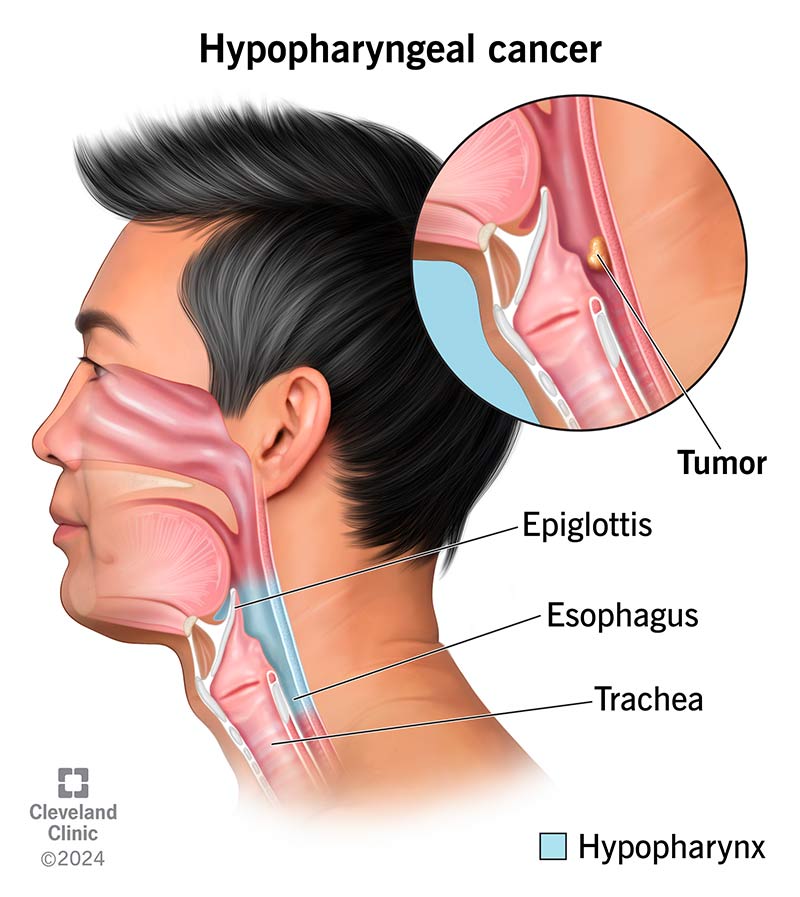
What is Hypopharyngeal Cancer?
Worried about persistent symptoms?
Book a consultation with Dr. Avadhut Dange for expert treatment.
What are the Symptoms of Hypopharyngeal Cancer?
This cancer occurs in the lower part of the throat, often growing silently before symptoms appear.

Severe Dysphagia
Progressive difficulty swallowing solid foods, then liquids.
Persistent Ear Pain
Pain referred to the ear without hearing loss or infection.
Neck Mass
An enlarged lymph node is often the first noticed symptom.
Weight Loss
Rapid, unexplained weight loss due to inability to eat.
Voice Changes
A muffled or hoarse voice as the tumour encroaches on the larynx.
Choking Episodes
Frequent coughing or choking when attempting to swallow.
What are the Causes and Risk Factors?
Risk factors are similar to other throat cancers.
Tobacco Use
Heavy smoking is the primary risk factor.
Alcohol Abuse
Synergistic effect with tobacco creates an extremely high risk environment.
Plummer-Vinson Syndrome
A rare condition linked to severe iron deficiency anemia.
Dietary Deficiencies
Diets severely lacking in fresh nutrients.
Age and Gender
Predominantly affects men over the age of 55.
Asbestos Exposure
Occupational exposure to certain industrial materials.
How Is Hypopharyngeal Cancer Diagnosed?
Accurate diagnosis involves a series of examinations and tests following globally recognised guidelines.
Panendoscopy
Complete examination of the mouth, throat, voice box, esophagus, and trachea under anesthesia.
Tissue Biopsy
Extracting samples from the hypopharynx to confirm malignancy.
Barium Swallow
An X-ray test to watch how liquid coats the throat and esophagus.
CT and MRI
To evaluate the depth of the tumour and lymph node involvement.
PET Scan
To rule out distant spread to the lungs or bones.


Hypopharyngeal Cancer Treatments
Personalised treatment based on cancer type, stage, and patient health.

Chemoradiation Therapy
Simultaneous chemotherapy and radiation is often the first line to preserve the larynx and throat.

Pharyngo-Laryngectomy
Surgical removal of the throat and voice box for advanced or recurrent cancer.

Jejunal Free Flap
Using a piece of the intestine to reconstruct the throat so the patient can swallow again.

Neck Dissection
Removing cancerous lymph nodes from the neck.

Nutritional Support
Placement of a temporary feeding tube (PEG) to ensure nutrition during intense treatment.
Hypopharyngeal Cancer Recovery Timeline
Every patient's journey is unique. Here is a general overview.
Preoperative Preparation
1–2 WeeksBlood tests, imaging, prehabilitation. Diet and recovery preparation advice.
Surgery & Hospital Stay
Day 0–7Surgery with ICU monitoring, pain control, wound management and early movement.
Early Recovery
1–3 WeeksWound healing, exercises, nutrition guidance and home care support.
Rehabilitation
1–2 MonthsOngoing therapy, speech/swallowing therapy, routine follow-ups and lifestyle guidance.
Long-Term Recovery
3–12 MonthsReturn to normal activities with regular oncology checkups and survivorship support.
Why Choose Dr. Avadhut Dange for Hypopharyngeal Cancer Treatment
Board Certified Specialist
Recognised for precision surgical oncology with years of clinical excellence.
Advanced Technology
Managing complex cases with advanced, minimally invasive surgical tools.
Multidisciplinary Approach
Part of tumour boards ensuring holistic care with optimal outcomes.
Compassionate Care
Patient-centered approach focused on physical and emotional well-being.
Proven Track Record
Hundreds of successful head and neck cancer surgeries performed with high survival rates.

Together, We Can Fight Against Cancer
Scheduling a consultation is the first step toward a personalised care plan that prioritises your life, your health, and your hope.