Laryngeal Cancer
Advanced laryngeal cancer surgery with voice preservation and restoration techniques.
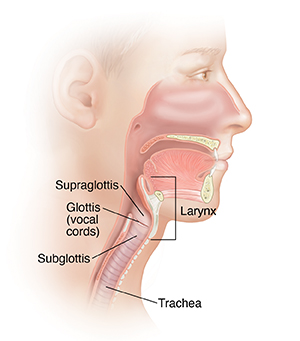
What is Laryngeal Cancer?
Worried about persistent symptoms?
Book a consultation with Dr. Avadhut Dange for expert treatment.
What are the Symptoms of Laryngeal Cancer?
Cancers of the voice box often present early with changes in phonation.

Hoarseness
A persistent change in the voice, becoming husky or hoarse for more than 3 weeks.
Dysphagia
Pain or difficulty when swallowing food or liquids.
Breathing Issues
Shortness of breath, noisy breathing (stridor), or a feeling of a blocked airway.
Chronic Cough
A persistent cough that does not go away, sometimes producing blood.
Neck Lump
A noticeable swelling or lump in the neck.
Ear Pain
Referred pain to the ear without any ear infection.
What are the Causes and Risk Factors?
The vocal cords are highly sensitive to inhaled carcinogens.
Smoking
The overwhelming majority of laryngeal cancers are directly caused by smoking.
Alcohol
Heavy alcohol consumption greatly multiplies the risk when combined with smoking.
Occupational Hazards
Exposure to asbestos, wood dust, paint fumes, and certain chemicals.
Poor Nutrition
Diets low in vitamins A and E, and fresh produce.
HPV
Certain types of Human Papillomavirus.
GERD
Severe and chronic acid reflux may increase the risk over time.
How Is Laryngeal Cancer Diagnosed?
Accurate diagnosis involves a series of examinations and tests following globally recognised guidelines.
Laryngoscopy
Using a thin, lighted tube to examine the vocal cords and voice box.
Biopsy during Endoscopy
Taking tissue samples from the larynx under general anesthesia.
CT / MRI Scans
To see the size of the tumour and if it has invaded cartilage or lymph nodes.
PET Scan
Checking for metastasis (spread) to the lungs or other organs.


Laryngeal Cancer Treatments
Personalised treatment based on cancer type, stage, and patient health.

Radiation Therapy
Primary treatment for early-stage cancers to preserve the voice box.

Partial Laryngectomy
Removing only the part of the voice box with cancer, preserving voice.

Total Laryngectomy
Complete removal of the voice box, requiring a permanent stoma for breathing.

Voice Rehabilitation
Learning to speak again using voice prostheses (TEP) or electrolarynx.

Chemotherapy
Often combined with radiation (chemoradiation) to avoid total laryngectomy in advanced cases.
Laryngeal Cancer Recovery Timeline
Every patient's journey is unique. Here is a general overview.
Preoperative Preparation
1–2 WeeksBlood tests, imaging, prehabilitation. Diet and recovery preparation advice.
Surgery & Hospital Stay
Day 0–7Surgery with ICU monitoring, pain control, wound management and early movement.
Early Recovery
1–3 WeeksWound healing, exercises, nutrition guidance and home care support.
Rehabilitation
1–2 MonthsOngoing therapy, speech/swallowing therapy, routine follow-ups and lifestyle guidance.
Long-Term Recovery
3–12 MonthsReturn to normal activities with regular oncology checkups and survivorship support.
Why Choose Dr. Avadhut Dange for Laryngeal Cancer Treatment
Board Certified Specialist
Recognised for precision surgical oncology with years of clinical excellence.
Advanced Technology
Managing complex cases with advanced, minimally invasive surgical tools.
Multidisciplinary Approach
Part of tumour boards ensuring holistic care with optimal outcomes.
Compassionate Care
Patient-centered approach focused on physical and emotional well-being.
Proven Track Record
Hundreds of successful head and neck cancer surgeries performed with high survival rates.

Together, We Can Fight Against Cancer
Scheduling a consultation is the first step toward a personalised care plan that prioritises your life, your health, and your hope.