Parotid Gland Cancer
Specialized surgical treatment for parotid gland tumors with facial nerve preservation techniques.
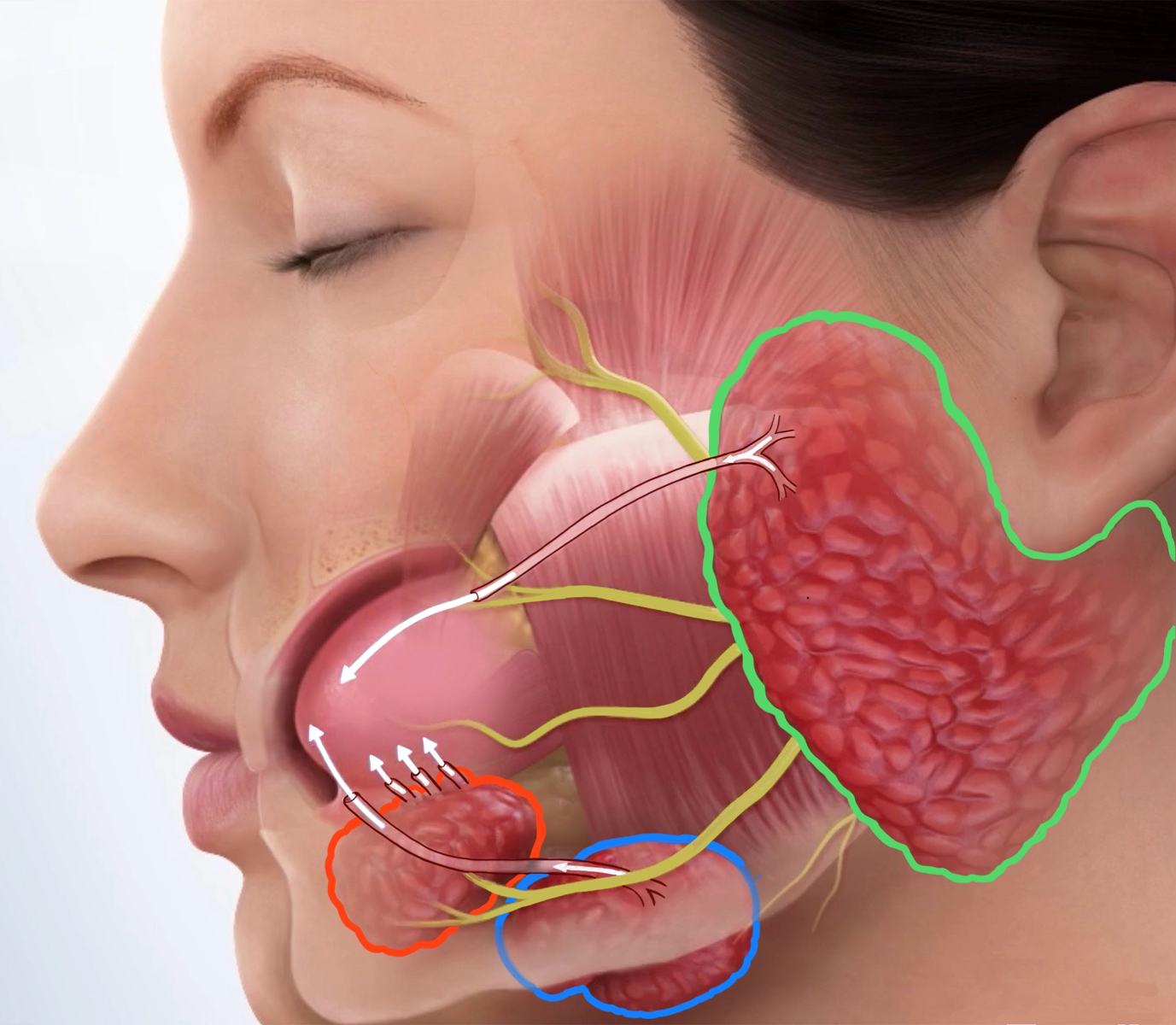
What is Parotid Gland Cancer?
Worried about persistent symptoms?
Book a consultation with Dr. Avadhut Dange for expert treatment.
What are the Symptoms of Parotid Gland Cancer?
Symptoms often involve changes in the salivary glands and surrounding facial structures.
Lump near the Ear or Jaw
A painless or painful lump in the cheek, jaw, or neck area.
Facial Numbness
Loss of sensation in parts of the face.
Facial Weakness
Difficulty moving muscles on one side of the face (facial nerve palsy).
Persistent Pain
Ongoing pain in the area of the parotid gland that does not go away.
Trouble Swallowing
Difficulty or pain when swallowing food or liquids.
Difficulty Opening Mouth
Restricted jaw movement or lockjaw (trismus).
What are the Causes and Risk Factors?
While exact causes are unknown, certain risk factors increase the likelihood of developing parotid gland cancer.
Radiation Exposure
Previous radiation therapy to the head and neck region.
Workplace Exposures
Exposure to certain substances in rubber manufacturing or plumbing.
Viral Infections
Links to specific viral infections like Epstein-Barr virus.
Tobacco Use
Smoking increases the risk of certain types of salivary gland tumours.
Age and Gender
More common in older adults and slightly more frequent in men.
Dietary Factors
Diets high in certain animal fats and low in vegetables may contribute.
How Is Parotid Gland Cancer Diagnosed?
Accurate diagnosis involves a series of examinations and tests following globally recognised guidelines.
Physical Examination
Palpation of the jaw, neck, and throat to check for lumps or swelling.
MRI Scan
Provides detailed images to determine the size and exact location of the tumour.
Fine Needle Aspiration (FNAC)
Extracting cells from the lump using a thin needle for laboratory analysis.
Biopsy
Removing a small tissue sample for definitive cancer confirmation.
CT Scan
To check if the cancer has spread to lymph nodes or other organs.


Parotid Gland Cancer Treatments
Personalised treatment based on cancer type, stage, and patient health.

Parotidectomy (Surgery)
Surgical removal of part or all of the parotid gland, carefully preserving the facial nerve when possible.

Radiation Therapy
High-energy beams used post-surgery to destroy any remaining microscopic cancer cells.

Chemotherapy
Systemic drugs used for advanced stages or if the cancer has spread beyond the gland.
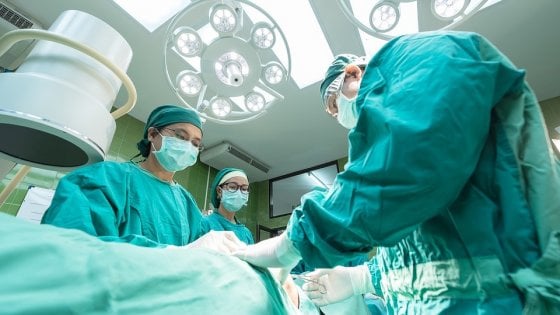
Reconstructive Surgery
Using tissue grafts to restore facial symmetry and function after extensive tumour removal.
Parotid Gland Cancer Recovery Timeline
Every patient's journey is unique. Here is a general overview.
Preoperative Preparation
1–2 WeeksBlood tests, imaging, prehabilitation. Diet and recovery preparation advice.
Surgery & Hospital Stay
Day 0–7Surgery with ICU monitoring, pain control, wound management and early movement.
Early Recovery
1–3 WeeksWound healing, exercises, nutrition guidance and home care support.
Rehabilitation
1–2 MonthsOngoing therapy, speech/swallowing therapy, routine follow-ups and lifestyle guidance.
Long-Term Recovery
3–12 MonthsReturn to normal activities with regular oncology checkups and survivorship support.
Why Choose Dr. Avadhut Dange for Parotid Gland Cancer Treatment
Board Certified Specialist
Recognised for precision surgical oncology with years of clinical excellence.
Advanced Technology
Managing complex cases with advanced, minimally invasive surgical tools.
Multidisciplinary Approach
Part of tumour boards ensuring holistic care with optimal outcomes.
Compassionate Care
Patient-centered approach focused on physical and emotional well-being.
Proven Track Record
Hundreds of successful head and neck cancer surgeries performed with high survival rates.

Together, We Can Fight Against Cancer
Scheduling a consultation is the first step toward a personalised care plan that prioritises your life, your health, and your hope.